
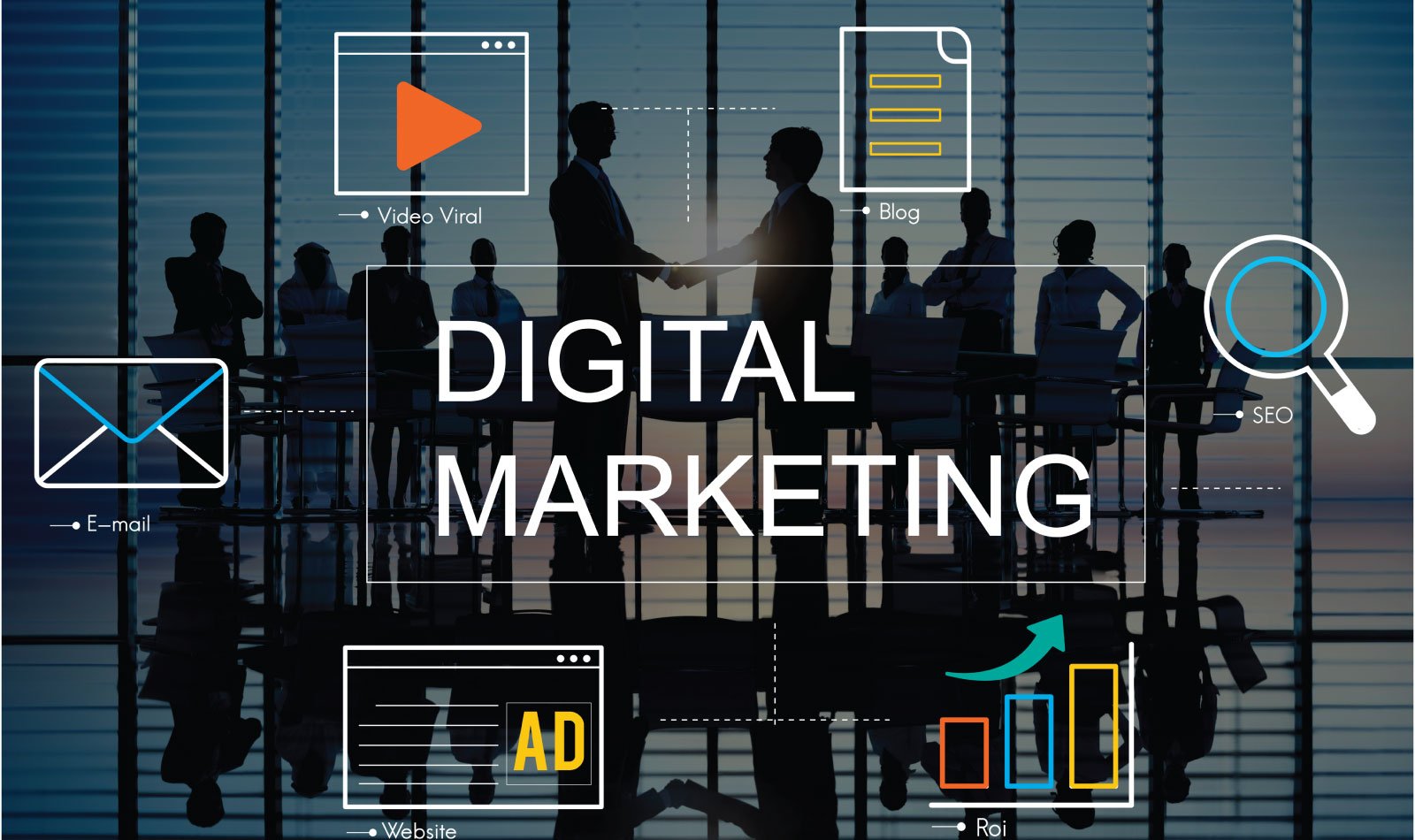
Digital marketing can be broadly broken into 8 main categories including: Affiliate Marketing, Content Marketing, Email Marketing, Marketing Analytics, Mobile Marketing, Pay-per-click, Search Engine Optimization and Social Media Marketing.
Affiliate Marketing :
Affiliate marketing is a marketing model in which third-party publishers promote a merchant’s goods or services and receive a percentage of the sales or web traffic made. It is typically considered a crucial part of modern digital marketing. Affiliate marketing is a revenue-sharing marketing method in which an affiliate, such as a blogger or YouTuber, advertises a business’s goods or services to help it meet its sales or marketing goals. In turn, affiliates earn a percentage of the sales or customer traffic made due to their marketing efforts.
Content Marketing :
Content marketing is an excellent strategy to make potential customers aware of your brand. The ‘content’ in content marketing could be a video, blog post, podcast, or social media post. As most potential customers often do some preliminary research before purchasing products or services, they’ll likely find your content before making a purchase decision. If your content is helpful, those potential customers are more likely to trust your brand and buy your products or services when they’re ready to make a purchase.
Enail Marketing :
Email marketing is the process of using email to connect with potential customers, nurture leads, promote products, and build customer loyalty. An email marketing strategy is a roadmap to design and execute email marketing campaigns that drive sales for your brand. A thoughtful email marketing strategy provides customers with interesting and valuable information to make smarter purchasing decisions.
Marketing Analytics :
Marketing analytics is crucial because it allows you to make data-driven decisions and measure the effectiveness of your marketing efforts. By analyzing data and metrics, you can gain valuable insights into customer behavior, preferences, and market trends. This information helps you optimize your marketing strategies, target the right audience, allocate resources efficiently, and ultimately drive better business outcomes.
Mobile Marketing :
Mobile marketing is any advertising or marketing campaign that promotes products or services through mobile devices. By connecting with customers through mobile devices, you can create a cohesive customer experience. Most people always have their phones with them, allowing you to connect with customers in real time. Mobile marketing is used to attract customers in an interactive and personalized way.
Pay-per-click :
Pay-per-click (PPC) is an online advertising model in which an advertiser pays a publisher every time an advertisement link is “clicked” on. Alternatively, PPC is known as the cost-per-click (CPC) model. The pay-per-click model is offered primarily by search engines (e.g., Google) and social networks (e.g., Facebook). Google Ads, Facebook Ads, and Twitter Ads are the most popular platforms for PPC advertising.
Search Engine Optimization :
SEO stands for search engine optimization. It is the practice of improving your website’s content, structure, and visibility to rank higher on search engines like Google. SEO is essential for beginners and businesses. It helps small websites compete with larger ones, drives organic traffic without relying solely on ads, and builds credibility by appearing at the top of search results. Organic searches drive most website traffic, making SEO one of the most powerful digital marketing strategies. Whether you’re running a blog, an online store, or a local business site, understanding SEO can increase your reach and success.
Social Media Marketing :
Social media marketing is a powerful way for businesses of all sizes to reach prospects and customers. People discover, learn about, follow, and shop from brands on social media, so if you’re not on platforms like Facebook, Instagram, and LinkedIn, you’re missing out! Great marketing on social media can bring remarkable success to your business, creating devoted brand advocates and even driving leads and sales.